June 12, 2026
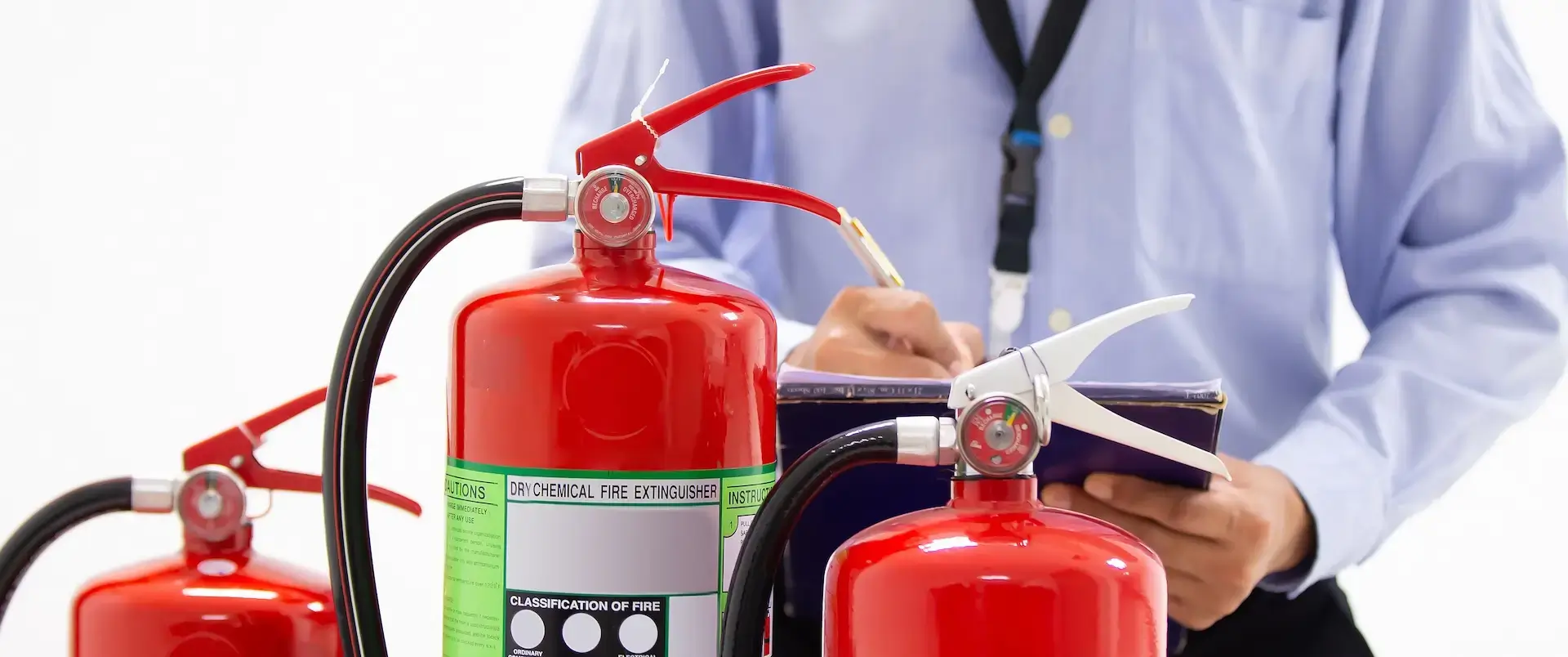
When was the last time you walked through your facility with fire safety in mind? Most property managers and business owners don’t think about their fire protection systems until an inspector shows up, or worse, until something goes wrong. The truth is, a systematic approach to fire safety inspections isn’t just about passing code compliance checks. It’s about protecting the people who work in and visit your building every single day.
Whether you manage a restaurant, hotel, office building, warehouse, or healthcare facility, regular fire safety inspections are essential. For properties across the Florida Panhandle and South Alabama, a clear checklist helps keep your building compliant, your occupants safe, and your operations running smoothly. This guide walks you through what needs to be inspected, how often inspections should happen, and what to look for. By the end, you’ll have a clearer understanding of what fire marshals expect and how to stay ahead of potential violations.
Why Commercial Fire Safety Inspections Matter
Fire safety inspections are not bureaucratic busywork. They are life-saving requirements backed by decades of fire prevention research. Commercial properties face different risks than residential homes, including higher occupancy loads, complex electrical systems, commercial cooking equipment, and specialized storage areas.
Commercial Buildings Carry Unique Fire Risks
Every commercial property has its own fire safety concerns. An office building may rely heavily on electrical systems and evacuation routes. A restaurant may need extra attention around cooking equipment and suppression systems. Warehouses, healthcare facilities, and multi-tenant buildings each bring their own risks as well.
Fire Damage Can Be Expensive and Disruptive
The National Fire Protection Association (NFPA) reports that U.S. fire departments respond to thousands of office property fires each year, resulting in millions of dollars in property damage. In restaurants, cooking equipment is one of the leading causes of commercial kitchen fires. These risks show why regular inspections and maintenance are essential, not optional.
Inspection Records Help Protect Your Organization
There is also a practical reason to maintain thorough inspection records: liability protection. If a fire occurs and your logs show missed inspections or gaps in maintenance, you could face legal and insurance complications. Clear records help show that your team took fire safety seriously and stayed proactive.
Maintenance Helps Systems Last Longer
Regular inspections can also extend the life of your fire protection equipment. A properly maintained fire sprinkler system can function reliably for decades. Neglected systems are more likely to fail when you need them most, and replacement costs are often far higher than routine maintenance.
Monthly Fire Safety Inspection Checklist
Some fire safety checks should happen monthly to catch problems before they become violations or hazards. Property managers or designated staff members can typically handle these visual inspections without specialized equipment.
Fire Extinguishers
Walk through your facility and verify that every fire extinguisher is:
- Mounted in its designated location and clearly visible
- Accessible without obstructions (no boxes, furniture, or equipment blocking access)
- Showing a pressure gauge in the green “operational” zone
- Free from visible damage, dents, rust, or leaking
- Tagged with an inspection tag showing the last professional service date
Fire extinguishers should be installed no more than 75 feet apart in most commercial buildings, though distances vary based on hazard classification. Class K extinguishers in commercial kitchens require closer spacing, typically within 30 feet of cooking equipment.
If you find an extinguisher with a pressure gauge in the red zone or showing physical damage, tag it immediately and contact a fire protection service provider. Never attempt to refill or repair extinguishers yourself. This work requires certified technicians.
Exit Signs and Emergency Lighting
Emergency egress systems must function during power outages, which is when people need them most. Check that:
- All exit signs are illuminated (both internal lighting and external illumination if applicable)
- Emergency lights activate when you test them using the test button
- Battery backup systems hold a charge (most units have indicator lights)
- Exit pathways remain clear with no storage or obstructions
- Exit doors open freely without requiring keys or special knowledge
Testing emergency lighting monthly helps identify battery failures before they become code violations. Most battery systems should maintain illumination for at least 90 minutes during a power failure. If your emergency lights dim quickly during testing, the batteries need replacement.
Fire Doors and Hardware
Fire-rated doors and their closing mechanisms prevent smoke and flames from spreading between building areas. Monthly checks should verify:
- Self-closing mechanisms work properly (doors close and latch completely)
- Door seals and gaskets remain intact without gaps
- No wedges, doorstops, or other items prevent doors from closing
- Panic hardware operates smoothly (push bars should release with 15 pounds of force or less)
- Vision panels, if present, show no cracks or missing glazing
One of the most common fire code violations is propping open fire doors “for convenience.” Even a small gap compromises the door’s fire rating and allows smoke to travel through the building. If staff members regularly prop doors open, address the workflow issue rather than accepting the fire hazard.
Quarterly Fire Safety Inspection Items
Every three months, conduct more detailed inspections that go beyond visual checks. These may require basic testing or minor adjustments.
Fire Alarm System Visual Inspection
While your fire alarm system needs annual professional testing, quarterly visual inspections catch obvious problems:
- Control panels show normal operational indicators (no trouble lights)
- Manual pull stations are unobstructed and show no tampering
- Smoke and heat detectors appear clean and undamaged
- Notification devices (horns, strobes, speakers) are properly mounted
- Annunciator panels display correctly
Check your fire alarm log for any trouble signals or false alarms. Multiple false alarms often indicate detector sensitivity issues, environmental problems, or electrical faults that need professional attention.
Sprinkler System Visual Check
Fire sprinkler systems operate automatically, but visual inspections identify potential problems before they affect performance:
- Sprinkler heads show no signs of corrosion, paint, or physical damage
- No sprinkler heads are obstructed by storage, decorations, or new construction
- Valves in the system are in the correct position (usually open)
- Pressure gauges on sprinkler risers read within normal ranges
- Fire department connections outside the building are accessible and uncapped
Never paint over sprinkler heads or hang decorations from them. Both actions can prevent proper operation. If renovation work or new equipment installation brings anything within 18 inches of a sprinkler head, the system may need modifications to maintain proper coverage.
Kitchen Suppression Systems
For restaurants and facilities with commercial cooking equipment, quarterly checks of kitchen fire suppression systems should include:
- Manual pull stations near exits are accessible and properly marked
- Nozzles above cooking equipment are clean and properly aimed
- No new cooking equipment has been added without system modification
- System tanks show proper pressure
- Links and cables appear intact with no corrosion
Commercial kitchen suppression systems protect against Class K fires involving cooking oils and fats. These systems require specialized knowledge to maintain properly. Quarterly checks by your staff supplement rather than replace professional semi-annual service.
Annual Professional Fire Safety Inspections
Several fire protection systems require annual inspections by certified professionals. These aren’t DIY tasks. Trained technicians have the equipment, knowledge, and credentials to properly test and certify these systems.
Fire Alarm System Testing
Fire alarm system inspections involve comprehensive functional testing that only qualified technicians should perform. The annual inspection includes:
- Testing all smoke detectors, heat detectors, and manual pull stations
- Verifying proper notification device operation throughout the building
- Checking control panel programming and battery backup systems
- Testing communication with monitoring stations
- Documenting all findings in a detailed inspection report
Expect your fire alarm inspection to take several hours for a typical commercial building. The technician will coordinate with your fire alarm monitoring company to prevent unnecessary emergency responses during testing.
Fire Sprinkler System Inspection
Fire sprinkler systems require annual inspections that verify proper water pressure, flow rates, valve operation, and sprinkler head condition. Certified sprinkler technicians will:
- Conduct main drain flow tests to verify water supply adequacy
- Inspect and test all system valves and gauges
- Examine sprinkler heads for corrosion, damage, or obstruction
- Test dry pipe valves and quick-opening devices where applicable
- Verify proper operation of alarm valves and waterflow switches
If your building has a fire pump, it requires additional testing including weekly visual checks, monthly running tests, and annual flow tests. Fire pump testing is specialized work that requires contractors experienced with these systems.
Fire Extinguisher Annual Maintenance
While you perform monthly visual checks, fire extinguishers need annual professional service. Certified technicians will:
- Conduct thorough external and internal examinations
- Verify proper pressure and operating weight
- Check all seals, safety pins, and discharge mechanisms
- Perform any necessary maintenance or recharging
- Apply dated inspection tags documenting the service
Some extinguishers require internal examination every six years and hydrostatic testing every twelve years, depending on the extinguisher type. Your service provider tracks these requirements and notifies you when special testing is due.
Backflow Prevention Testing
Many fire protection systems connect to municipal water supplies through backflow prevention devices. Backflow prevention testing is typically required annually and must be performed by certified testers who:
- Test check valves and relief valves for proper operation
- Verify that backflow preventers maintain proper differential pressure
- Document test results on forms required by local water authorities
- Tag devices with test dates and tester certification information
Backflow testing protects both your facility and the public water supply. Failed backflow devices can allow contaminated water to flow backward into drinking water systems, a serious public health concern.
Five-Year and Special Interval Requirements
Some fire protection equipment requires testing on longer intervals. Missing these extended deadlines is easy, but the consequences can be serious.
Standpipe Systems
Standpipe systems (the pipes and hose connections that firefighters use to fight fires in your building) need five-year hydrostatic testing. This pressure test verifies pipe integrity and identifies potential weaknesses before they fail during an emergency.
Kitchen Hood Cleaning
While not always considered part of fire safety inspections, commercial kitchen exhaust hood cleaning is a critical fire prevention measure. NFPA 96 requires kitchen hood cleaning on schedules based on cooking volume:
- Systems serving solid fuel cooking: quarterly
- High-volume operations: monthly
- Moderate-volume operations: quarterly
- Low-volume operations: semi-annually
Grease buildup in kitchen exhaust systems is a leading cause of restaurant fires. Professional hood cleaning companies use specialized equipment and techniques to remove grease from areas inaccessible to regular cleaning.
Fire Pump Testing
Beyond monthly and annual requirements, fire pumps need comprehensive five-year testing that includes:
- Complete performance testing under flow conditions
- Internal inspection of pump components
- Detailed examination of controllers and drivers
- Verification of all safety features and shutoffs
This intensive testing often requires the pump to be taken offline temporarily, so coordination with building operations is essential.
Creating Your Facility-Specific Checklist
While this guide covers common commercial fire protection systems, your specific facility may have additional requirements based on:
- Building size, height, and occupancy classification
- Special hazards (flammable storage, manufacturing processes, healthcare operations)
- Local amendments to fire codes
- Insurance requirements specific to your industry
- State and federal regulations for your business type
Start by reviewing your building’s fire protection system documentation. Your fire alarm panel, sprinkler riser room, and fire protection equipment should have tags showing the last inspection dates. If these dates are current, you’re likely meeting basic requirements. If dates are missing or expired, contact a qualified fire protection company immediately.
Consider creating a digital tracking system for inspection due dates. Many property management software platforms now include maintenance scheduling features that send automatic reminders before inspections come due. This proactive approach prevents violations and ensures continuous compliance.
Don’t forget to maintain organized records of all fire safety inspections, testing, and maintenance. Fire marshals routinely request these records during compliance inspections, and missing documentation can result in violations even if the actual work was completed. Store copies both on-site in a designated fire safety binder and in a secure off-site location.
Working with Fire Protection Professionals
No property manager can handle every aspect of fire safety alone, and they should not have to. Building relationships with qualified fire protection companies helps ensure that specialized inspection, testing, and maintenance are handled correctly and on schedule.
Verify Certifications and Licensing
When selecting a fire protection service provider, confirm that technicians hold the appropriate certifications for the systems they service. Fire alarm work, sprinkler system testing, fire extinguisher service, and suppression system maintenance each require specific training, licensing, or certification.
Choose a Provider That Can Handle Multiple Systems
Look for a company that can service the full range of fire protection systems in your building. Working with one provider for fire alarms, sprinklers, extinguishers, suppression systems, and backflow testing can simplify scheduling, communication, and recordkeeping.
Plan Ahead with Regular Service Agreements
Do not wait until problems appear or inspections are overdue to call for service. Scheduled maintenance helps catch small issues before they become expensive emergencies. It also helps keep your building on a more predictable compliance schedule.
Ask About Emergency Response
Fire protection equipment failures do not always happen during regular business hours. Ask potential service providers about their emergency response times, especially if your building depends on systems that must stay operational around the clock.
Treat Your Provider Like a Safety Partner
A good fire protection company should be more than a vendor. The right partner can help you stay aware of code changes, recommend upgrades when needed, and plan for long-term fire protection as your facility changes over time.
Turn Your Checklist Into an Ongoing Safety System
A comprehensive commercial fire safety inspection checklist isn’t something you create once and forget. It’s a living document that evolves with your facility and keeps your fire protection systems functioning reliably. From monthly visual checks of fire extinguishers and exit signs to annual professional inspections of complex systems, consistent attention to fire safety protects your property, your occupants, and your business operations. The key is establishing routines for regular inspections, maintaining clear records, and building relationships with qualified fire protection professionals who can handle the specialized testing your systems require.
Frequently Asked Questions
How often do commercial buildings need fire safety inspections?
The frequency depends on the specific system. Monthly visual checks of fire extinguishers, exit signs, and fire doors are recommended, while fire alarm systems, fire sprinklers, and fire extinguishers need annual professional inspections. Some systems like standpipes require testing every five years. Local fire codes and your property’s occupancy classification may impose additional requirements, so check with your local fire marshal or a qualified fire protection company for facility-specific guidance.
Can property managers conduct fire safety inspections themselves?
Property managers can and should perform regular visual inspections of fire protection equipment, checking for obvious problems like blocked exits, damaged fire extinguishers, or inoperative exit signs. However, annual inspections and testing of fire alarms, fire sprinklers, fire suppression systems, and backflow preventers must be performed by certified professionals with proper equipment and credentials. These technical inspections require specialized training and often state licensing.
What happens if a commercial building fails a fire safety inspection?
Fire marshals typically issue violation notices detailing required corrections and compliance deadlines. Minor violations might allow 30-60 days for correction, while serious life-safety hazards may require immediate action or partial building closure. Repeat violations can result in fines, legal action, or revocation of occupancy permits. Most fire marshals conduct re-inspections after violations are corrected. Maintaining regular inspections and promptly addressing issues prevents these situations.
Do fire protection systems in commercial buildings require monitoring?
Most jurisdictions require fire alarm systems in commercial buildings to be monitored by a central station that can automatically notify the fire department when alarms activate. Fire sprinkler systems with water flow alarms typically also require monitoring. The specific monitoring requirements depend on your local fire code, building occupancy type, and sometimes building size. Consult with your fire alarm provider and local fire marshal to determine what monitoring your facility needs.
How long should commercial fire safety inspection records be kept?
Keep fire safety inspection, testing, and maintenance records for at least the interval between inspections (minimum one year for annual inspections, five years for systems tested every five years). However, maintaining records for three to five years is recommended for liability protection and to document consistent compliance patterns. Many jurisdictions require specific record retention periods, so check local requirements. Store both on-site copies for fire marshal review and secure off-site backups.