Protect your property and ensure compliance with expertly designed and maintained fire sprinkler systems. Explore the types of fire sprinkler systems—each tailored for specific applications to stop flames, prevent the spread of fire, and reduce potential damage. Whether you need installation, service, or inspection, B&C Fire Safety has you covered.
Fire Sprinkler System Services We Offer
At B&C Fire Safety, we provide comprehensive fire sprinkler system services designed to protect your property and ensure compliance with safety standards. Whether you’re looking to install a new system, repair an existing one, or schedule regular maintenance, our experienced team delivers tailored solutions to meet your unique needs. From design to ongoing service, we’re committed to keeping your property safe and secure.
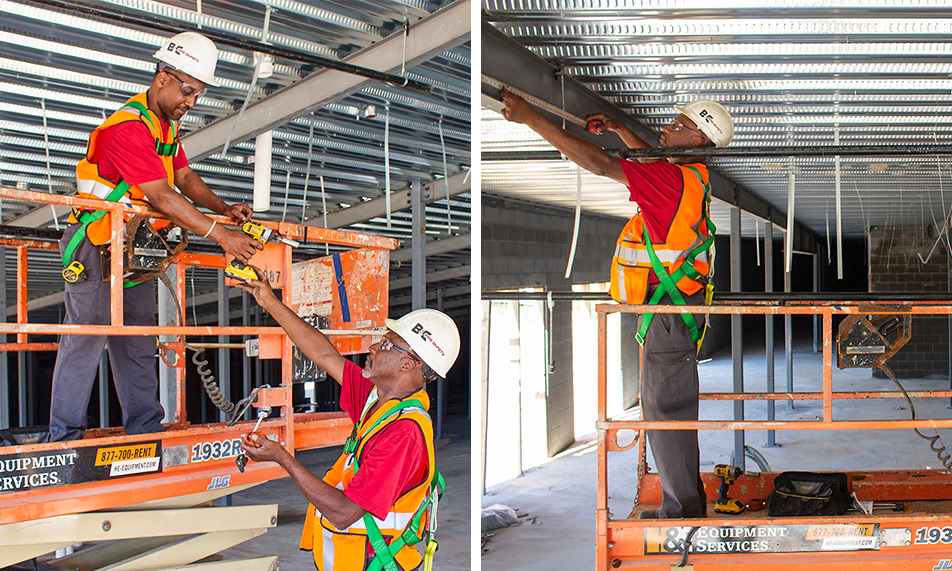
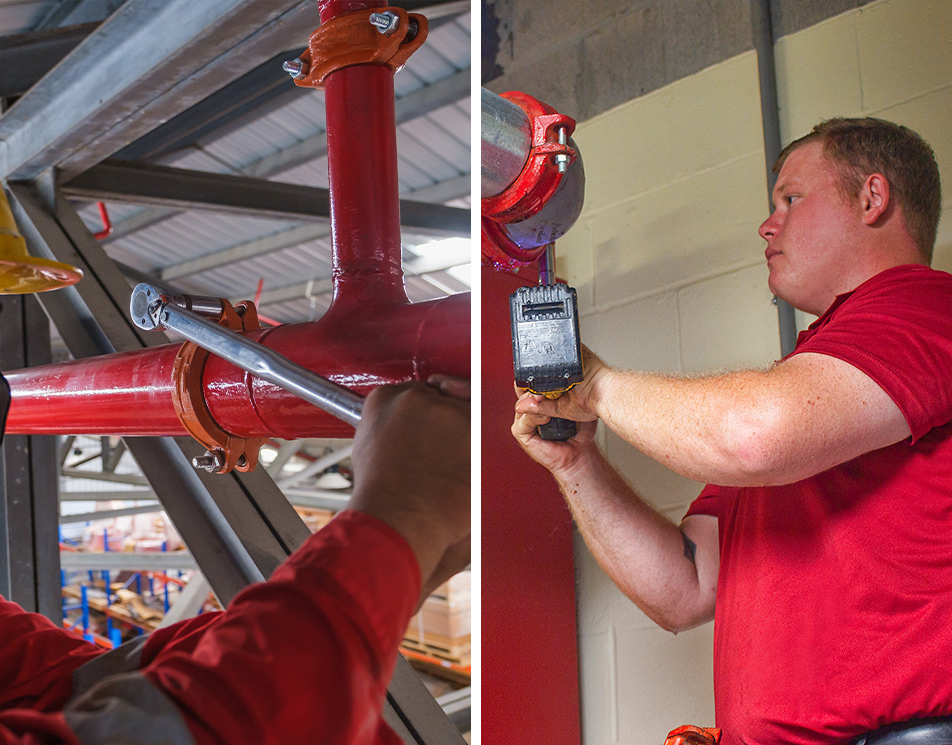
Fire Sprinkler System Installation Our experts design and install fire sprinkler systems customized for your property’s requirements, ensuring optimal performance and compliance with regulations.
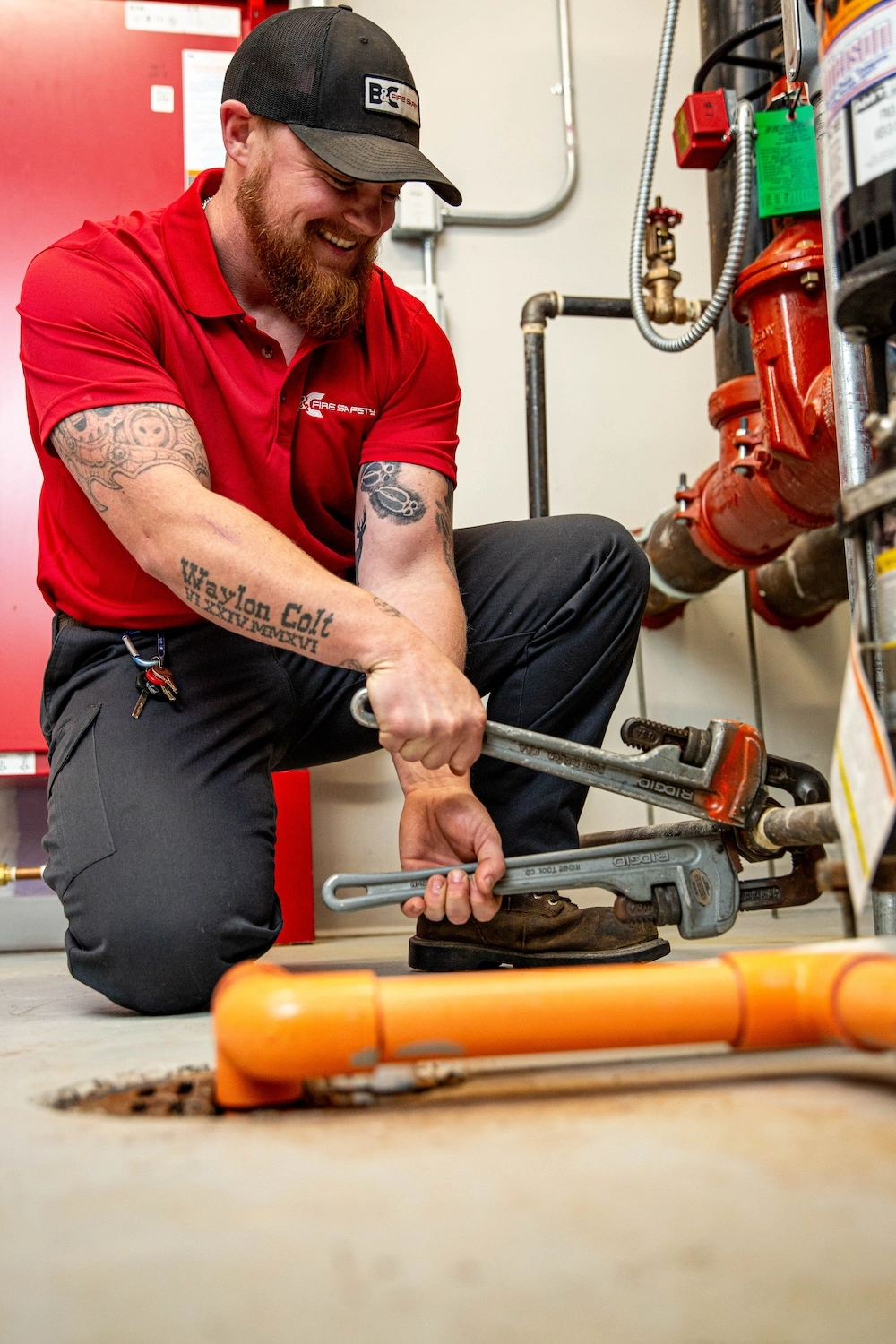
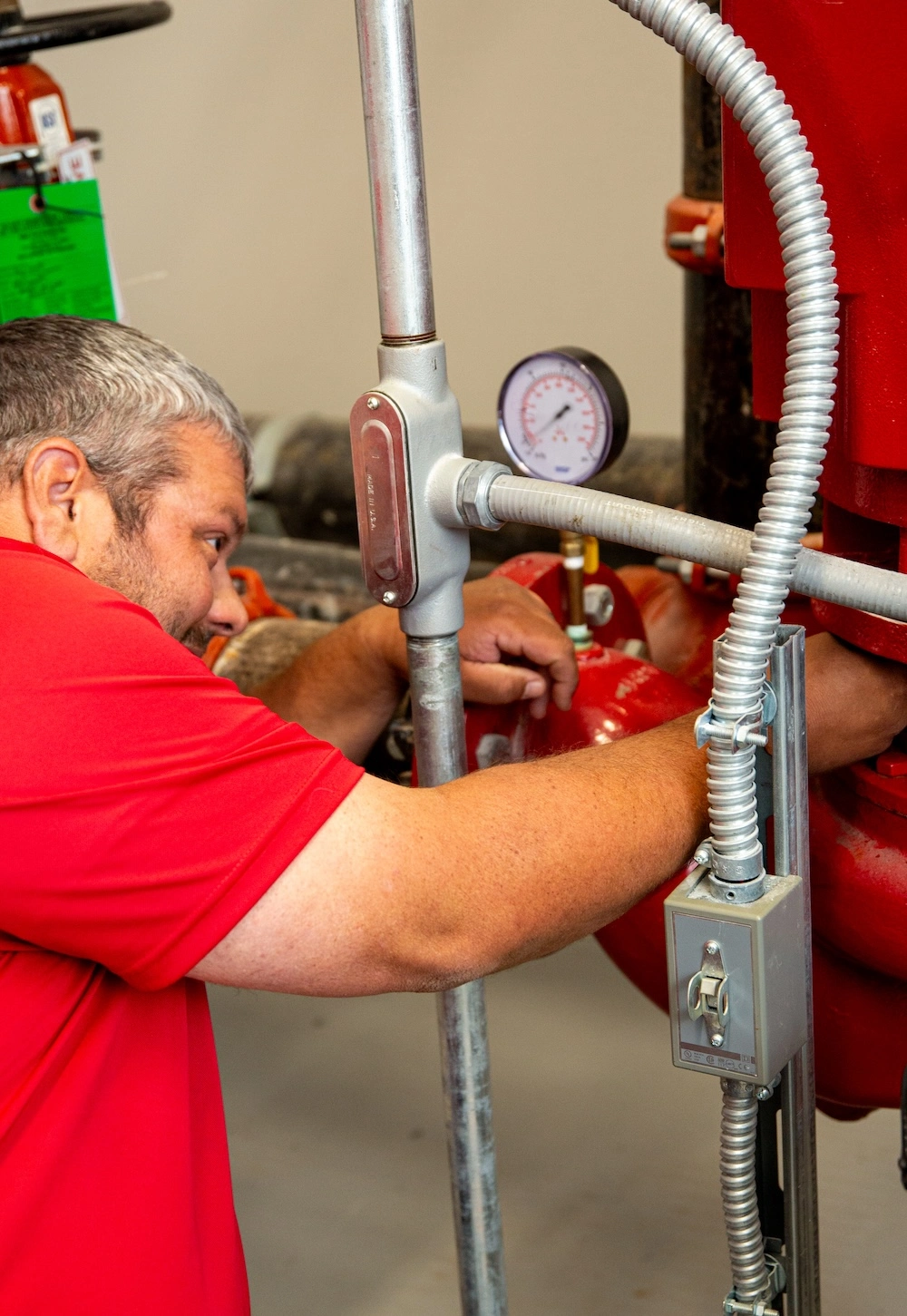
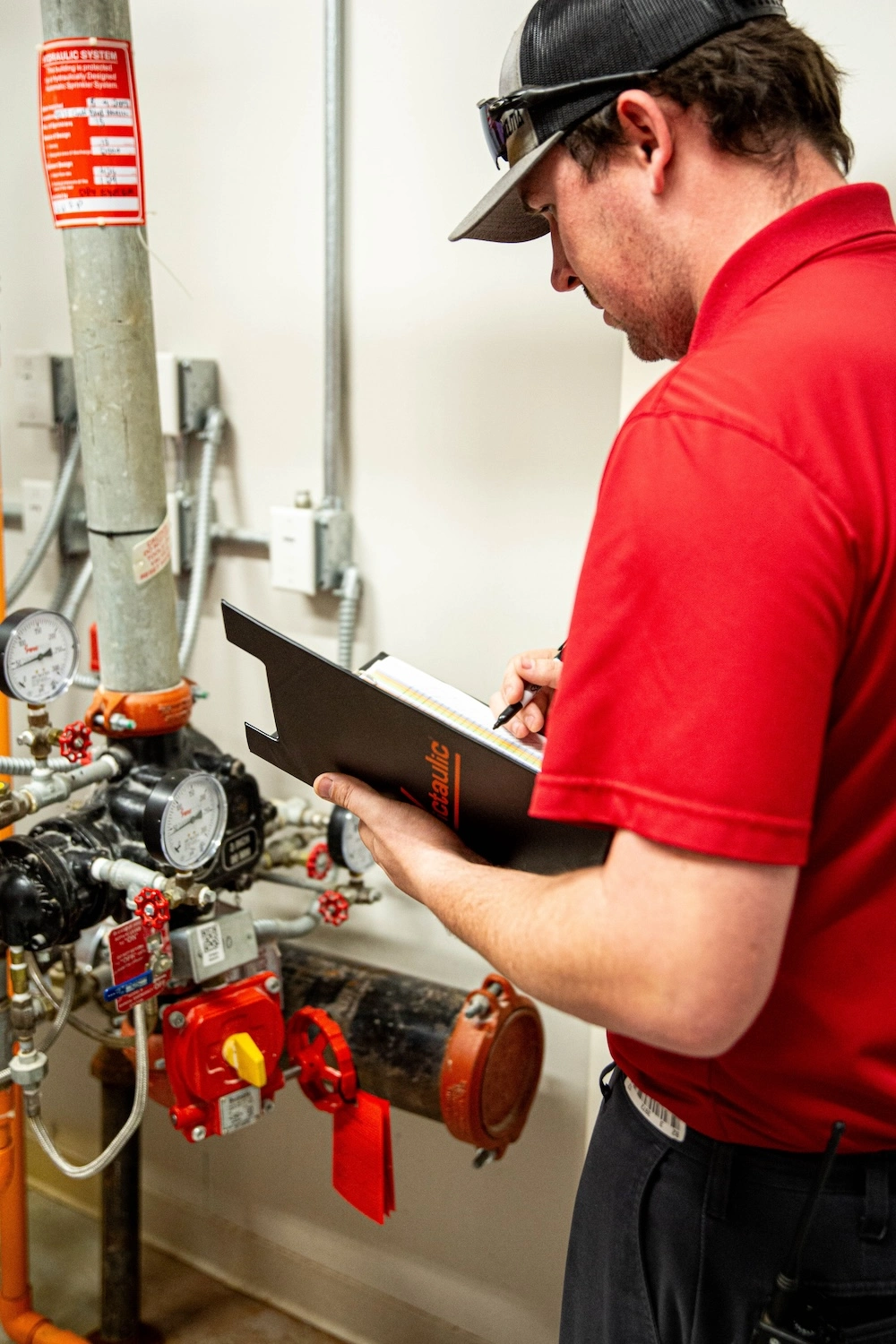
Fire Sprinkler System Repair and Inspection Regular inspections and prompt repairs are essential to maintaining your system’s reliability. We offer thorough inspections and fast, effective repairs to keep your system in top condition.
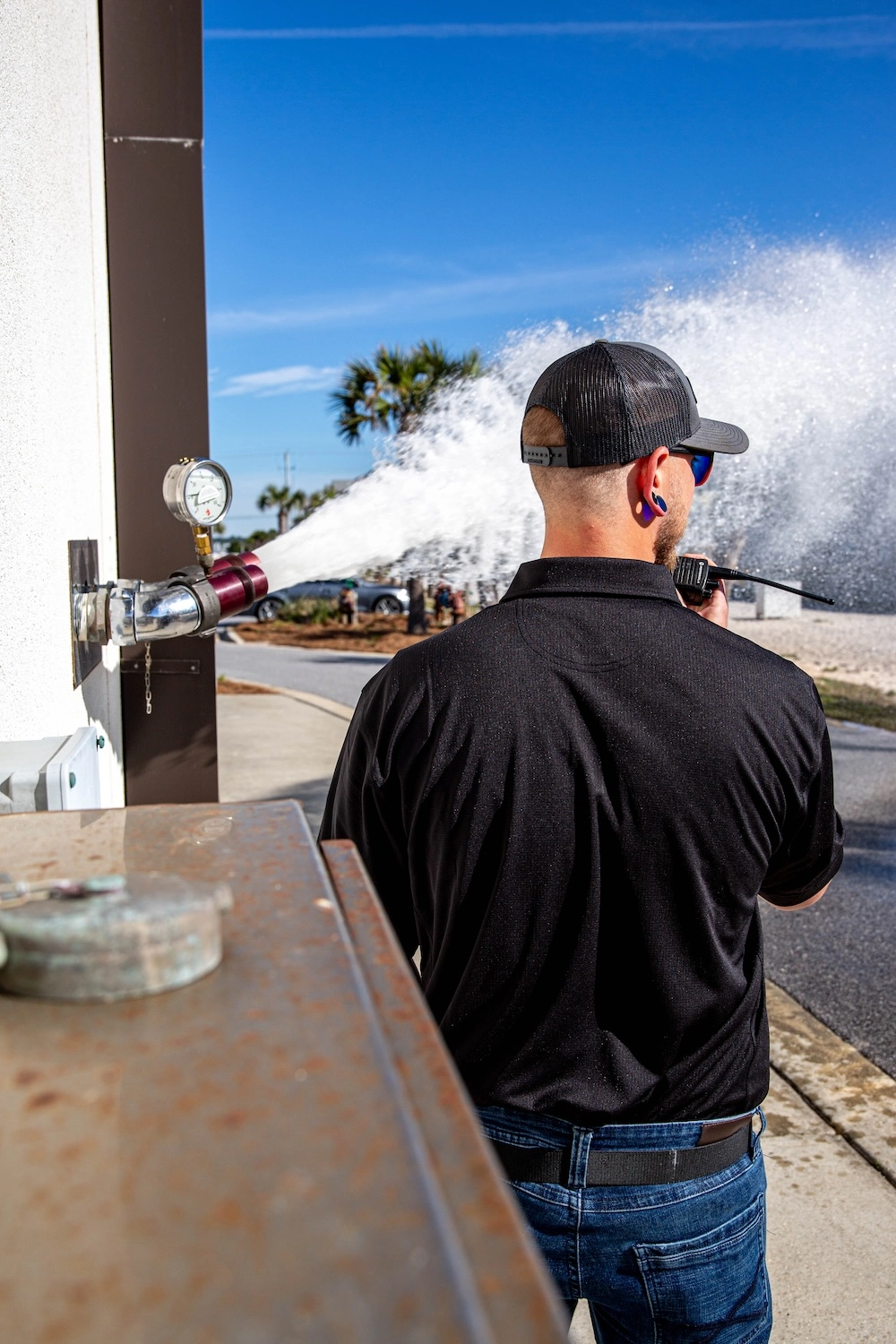
Fire Sprinkler System Maintenance Proper maintenance extends the life of your system and ensures it functions when needed most. Our maintenance services include testing, cleaning, and adjustments to prevent potential issues.
Fire Sprinkler System Design and Consultation A well-designed fire sprinkler system is crucial for effective fire suppression. Our team works closely with you to develop a system tailored to your building’s layout and specific fire safety needs.
Types of Fire Sprinkler Systems
Fire sprinkler systems are not one-size-fits-all. Different buildings and environments require tailored solutions to effectively suppress fires and minimize damage. At B&C Fire Safety, we provide expertise in designing and servicing the types of fire sprinkler systems that best meet your needs. From the widely used wet fire sprinkler system to more specialized options like dry fire sprinkler systems and pre-action fire sprinkler systems, we ensure every component is optimized for safety and performance. Below, explore the 5 types of sprinkler systems and their unique applications.
Wet Fire Sprinkler Systems
The most common type of fire sprinkler system, wet systems are filled with water and ready to deploy immediately when activated by heat. These systems are ideal for environments where freezing temperatures are not a concern, such as offices, retail spaces, and residential buildings.
How They Work: Heat from a fire activates the sprinkler head, releasing water directly onto the fire.
Common Applications: Used in most commercial and residential buildings due to their simplicity and effectiveness.
Key Components: Pipes filled with water, sprinkler heads, and activation mechanisms.
Dry Fire Sprinkler Systems
Dry fire sprinkler systems are designed for environments where freezing temperatures could cause a wet system to fail. These systems use pressurized air or nitrogen in the pipes, which is released before water flows through.
How They Work: When a sprinkler head is activated, air pressure is released, allowing water to flow into the pipes and out onto the fire.
Common Applications: Ideal for unheated warehouses, parking garages, and outdoor structures.
Why Choose This System: Prevents freezing issues while maintaining reliable fire suppression.
Pre-Action Fire Sprinkler Systems
Pre-action fire sprinkler systems offer a two-step activation process, making them ideal for spaces where accidental discharge could cause significant damage. These systems require both heat detection and a second triggering event (such as smoke or manual activation) to release water.
How They Work: The system remains dry until heat or smoke is detected, and a pre-action valve is triggered to fill the pipes with water.
Common Applications: Perfect for data centers, museums, and libraries where water damage must be minimized.
Benefits: Offers additional protection against accidental activation while ensuring rapid response to real fires.
Why Choose B&C Fire Safety?
When it comes to protecting your property, you need a trusted partner with the expertise and commitment to deliver exceptional results. At B&C Fire Safety, we take pride in being a trusted name in fire sprinkler system services. With decades of experience, our team of certified fire sprinkler system contractors offers reliable, professional solutions tailored to your specific needs.
Our focus is always on customer safety, ensuring that every system we install, inspect, or maintain is up to code and designed for optimal performance. Whether you're seeking installation for a new building, repair of an existing system, or regular maintenance, B&C Fire Safety is your local expert for dependable fire sprinkler solutions.
Regular Maintenance and Inspections
Keeping your fire sprinkler system in top condition is essential to ensuring it works when you need it most. Comprehensive fire sprinkler system inspections verify that every component is functioning properly and meets all safety requirements. Regular inspections not only help identify potential issues before they become costly problems but also ensure compliance with fire safety regulations.
Routine maintenance is equally important, as it extends the life expectancy of fire sprinkler systems and keeps them performing at their best. Thorough testing, cleaning, and adjustments ensure your system remains reliable and ready to respond to any fire emergency. With expert care and attention, your property stays protected, and your system remains compliant and dependable.
How Fire Sprinkler Systems Work
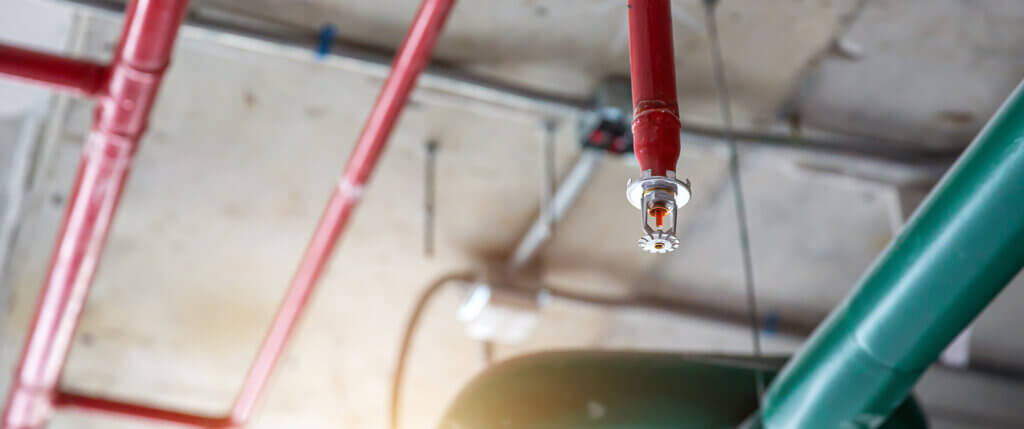
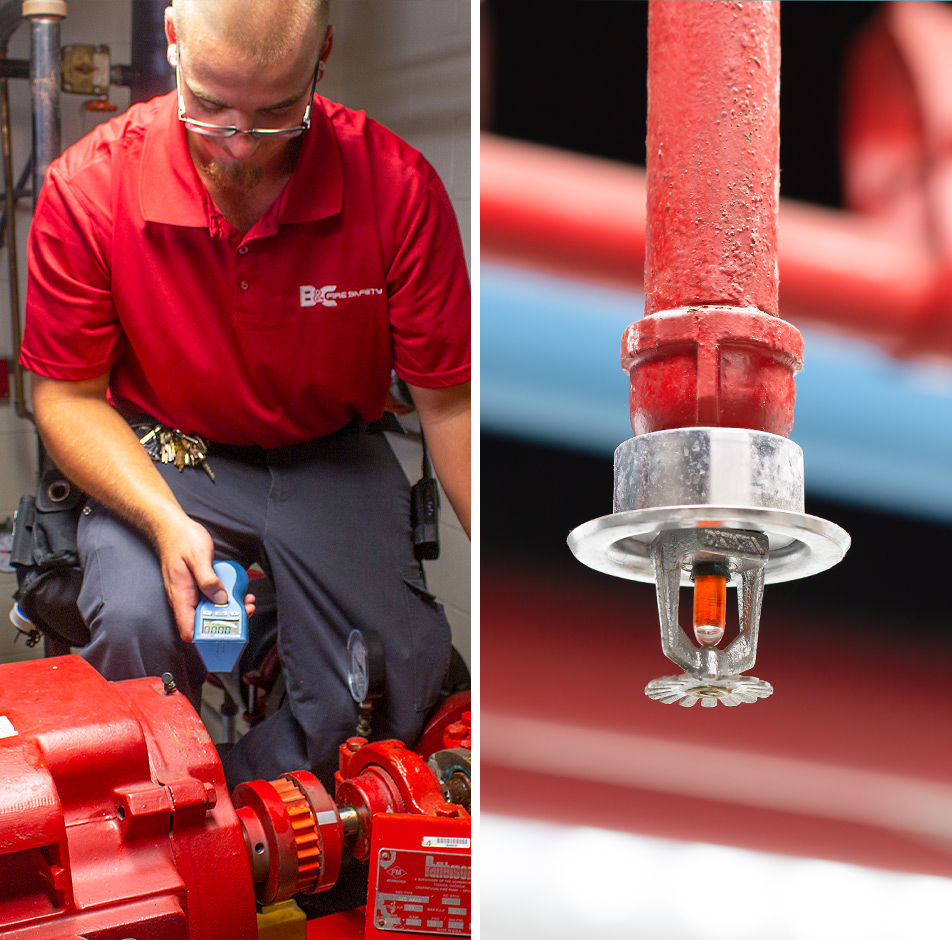
Fire sprinkler systems are designed to detect and suppress fires quickly, minimizing damage and saving lives. The system operates using a network of pipes connected to a reliable water source. Each sprinkler head contains a heat-sensitive element, such as a glass bulb or fusible link, that activates when exposed to high temperatures.
When heat from a fire reaches the threshold, the sprinkler head opens, releasing water directly onto the flames. Only the sprinklers nearest to the fire are activated, ensuring water is used efficiently and minimizing water damage.
The main fire sprinkler system parts include sprinkler heads, pipes, control valves, and an alarm system. Together, these components work seamlessly to detect heat, release water, and alert occupants or emergency responders, providing a critical line of defense against fire.
Contact Us for Fire Sprinkler Services
Protecting your property starts with having a reliable fire sprinkler system. Whether you need fire sprinkler system repair, maintenance, or installation, our expert team is here to help. We specialize in providing tailored solutions for homes and businesses, ensuring safety and compliance with local fire codes.
Looking for a fire suppression system you can trust? Get in touch with us today to schedule a service or consultation. Our team is ready to answer your questions and provide the reliable care you deserve.
Frequently Asked Questions
How does a fire sprinkler system work?
A fire sprinkler system reacts to heat, not smoke. Each sprinkler head has a heat-sensitive element that breaks when temperatures get high enough, which allows water to flow directly onto the fire. Only the sprinkler heads closest to the fire activate, helping control the flames quickly while limiting water damage to the rest of the building.
When is a fire sprinkler system required?
Fire sprinkler requirements depend on your building’s size, use, occupancy type, and local fire codes. New commercial construction, multi-family properties, and many public buildings are commonly required to have sprinkler systems. A fire safety professional or your local fire marshal can confirm what applies to your specific property.
How much does it cost to install a fire sprinkler system?
The cost varies based on your building’s size, layout, existing infrastructure, and the type of sprinkler system needed. Smaller buildings with simple layouts typically cost less, while larger or specialized properties require more complex design and installation. The best way to get an accurate number is through an on-site evaluation.
Who should I call for a fire sprinkler leak?
If you notice a leak, water pressure issue, or damaged sprinkler head, you should contact a licensed fire sprinkler contractor right away. Even small leaks can compromise the system’s performance and cause unnecessary water damage if left unaddressed.
What causes a fire sprinkler to activate?
Fire sprinklers activate when heat reaches a specific temperature, usually around 155 to 165 degrees Fahrenheit. Common triggers include open flames, fast-spreading fires, or extreme heat buildup from electrical or mechanical failures. They are not activated by smoke, steam, or cooking fumes.
How do you clean fire sprinkler heads?
Sprinkler heads should only be cleaned gently using a soft brush or vacuum attachment. Avoid using chemicals, water, or cloths that could damage the heat-sensitive components. If a sprinkler head appears dirty, corroded, or damaged, it should be inspected by a professional.
How often should a fire sprinkler system be tested?
Fire sprinkler systems require regular inspections and testing to remain compliant and reliable. Visual checks are typically done monthly, with more detailed testing performed quarterly, annually, and at longer intervals depending on the system components. Regular testing helps catch problems before they become serious safety risks.
Is it true that all sprinklers go off at once during a fire?
No, that’s a common myth. Only the sprinkler heads exposed to enough heat from the fire will activate. This focused response helps control the fire efficiently while minimizing water damage to the rest of the building.