 Keep emergency communications out of the dead zone
Our ERCES solutions can help you achieve the code-required radio coverage necessary to ensure first responders get the right message at the right time.
Emergency Radio Communication Enhancement Systems (ERCES)
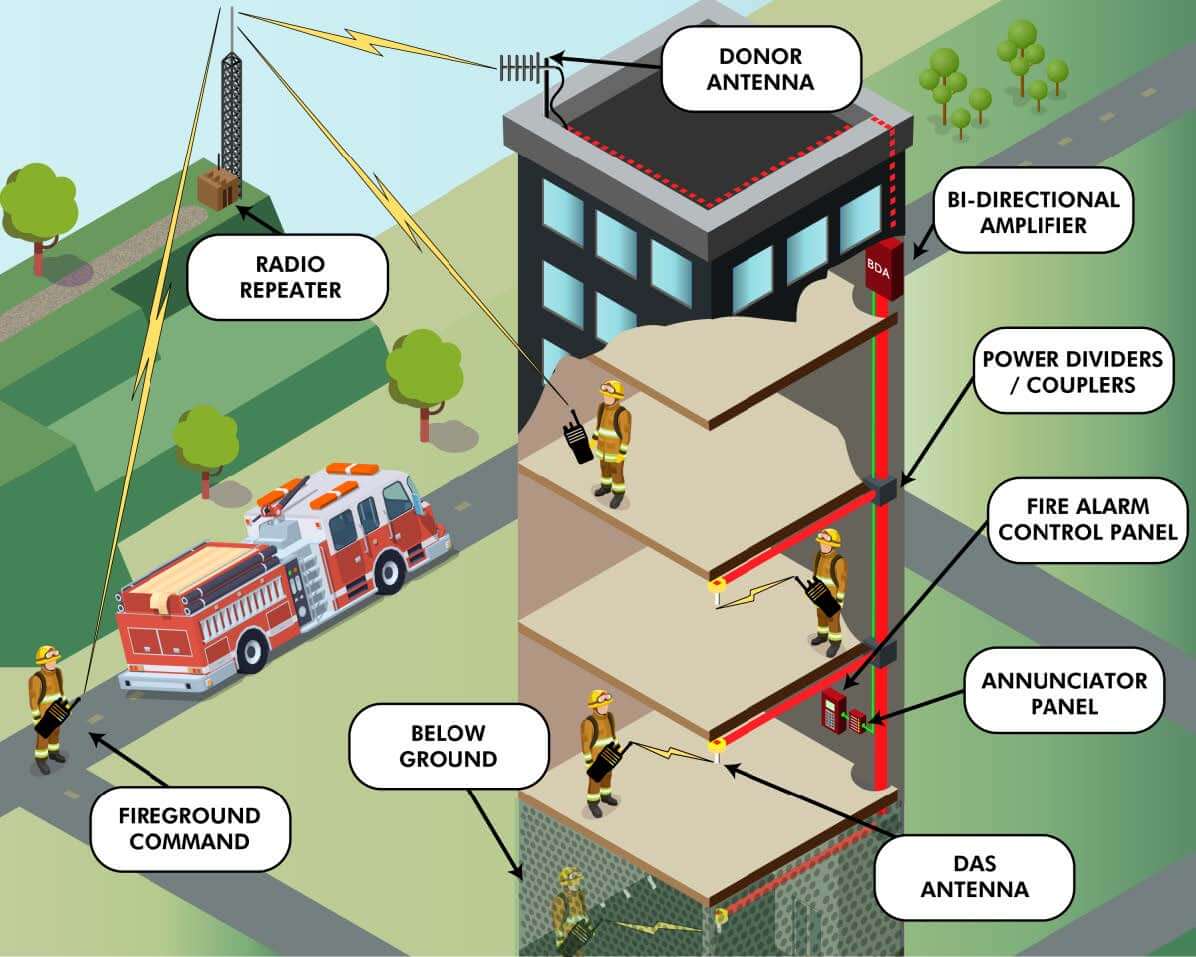
During an emergency, reliable communication is critical. Staying informed with clear radio transmission between first responders inside a building and emergency personnel outside the building can help prevent further injuries and save more lives. Emergency Responders lose communications when in-building radio signals are weakened by structures such as concrete, windows, and metal.
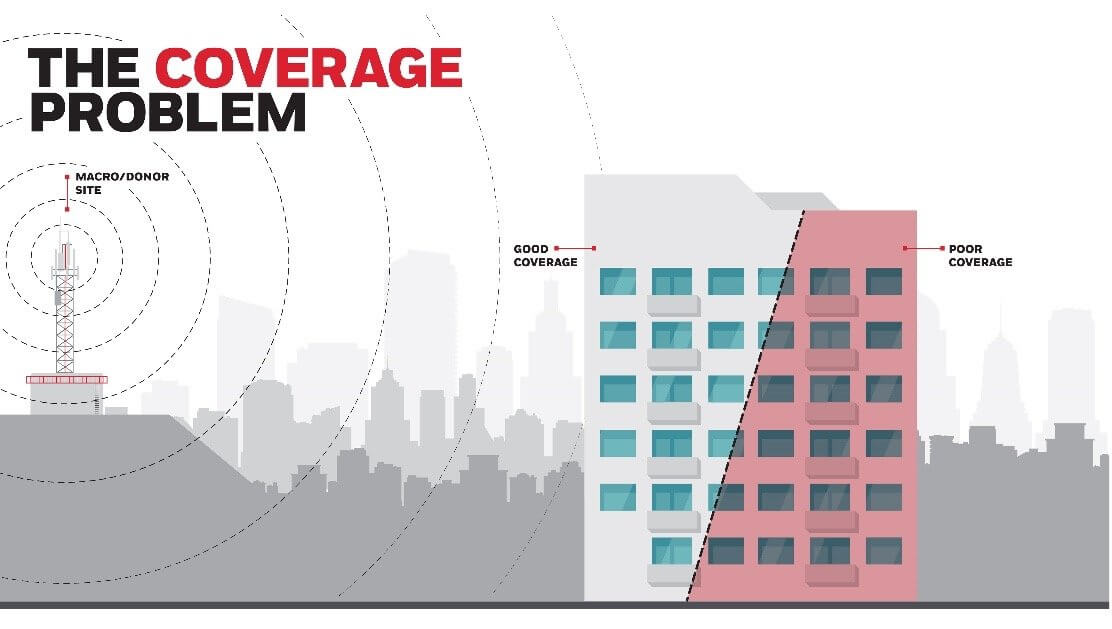
Is a BDA System Right For My Property?
Not all buildings require BDA systems, nor do they need them to assure the health and safety of building occupants in the event of an emergency. Florida health and safety codes mandate that all new and existing high-rise buildings must have a minimum radio signal strength for public safety communication systems.
To determine whether a BDA system is appropriate for your building, qualified fire safety and system professionals must perform a BDA inspection, also commonly referred to as a radio signal survey.
Not sure if your Fire Alarm system needs a DAS?
A Radio Frequency (RF) Site Surveys can help determine if existing radio coverage is adequate or justify the need for a Distributed Antenna System.
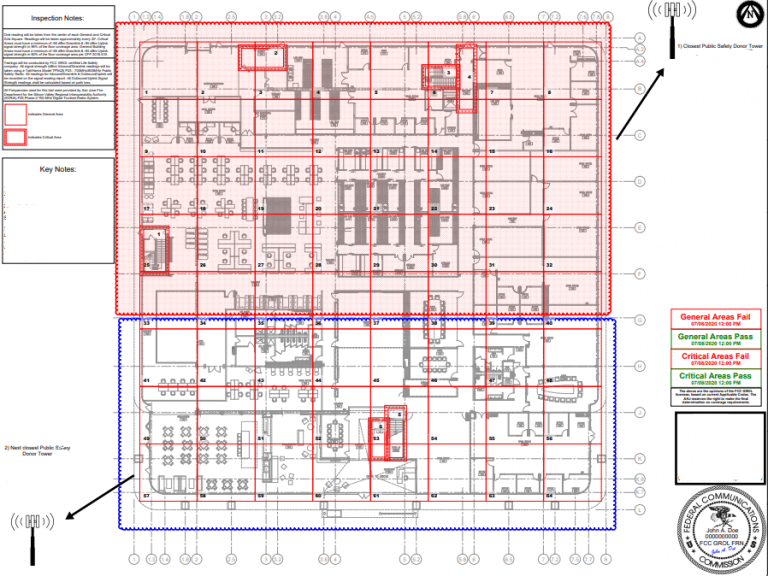
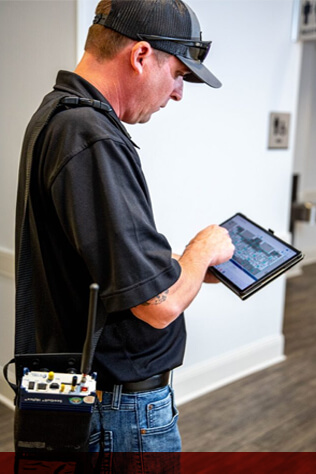
An RF survey is typically performed by a specialized FCC GROL certified technician and some fire department radio personnel. The survey measures the Downlink/Uplink signal strengths in decibels-milliwatts (dBm) using special measuring devices.
Oftentimes, site surveys are done in the pre-construction phase. A technician will conduct the RF survey on site then integrate the readings with a software-simulated radio propagation modeling. The outcome of this process results in heat maps that will show predicted signal coverage levels throughout the planned structure. Results are then submitted to the AHJ to determine if a BDA is required or if a waiver is appropriate. (1)
Need a Site Survey? B&C Fire Safety is certified to conduct RF tests as well as design and submit required documents and plans as well as install your DAS system.
Code References
In-building ERCES in Compliance with UL 2524
The completed 2021 edition of the International Fire Code (IFC) and the first draft version of 2021 NFPA 1 both include specific requirements for these systems to be certified to UL 2524, the Standard for In-building 2-Way Emergency Radio Communication Enhancement Systems.