October 29, 2026
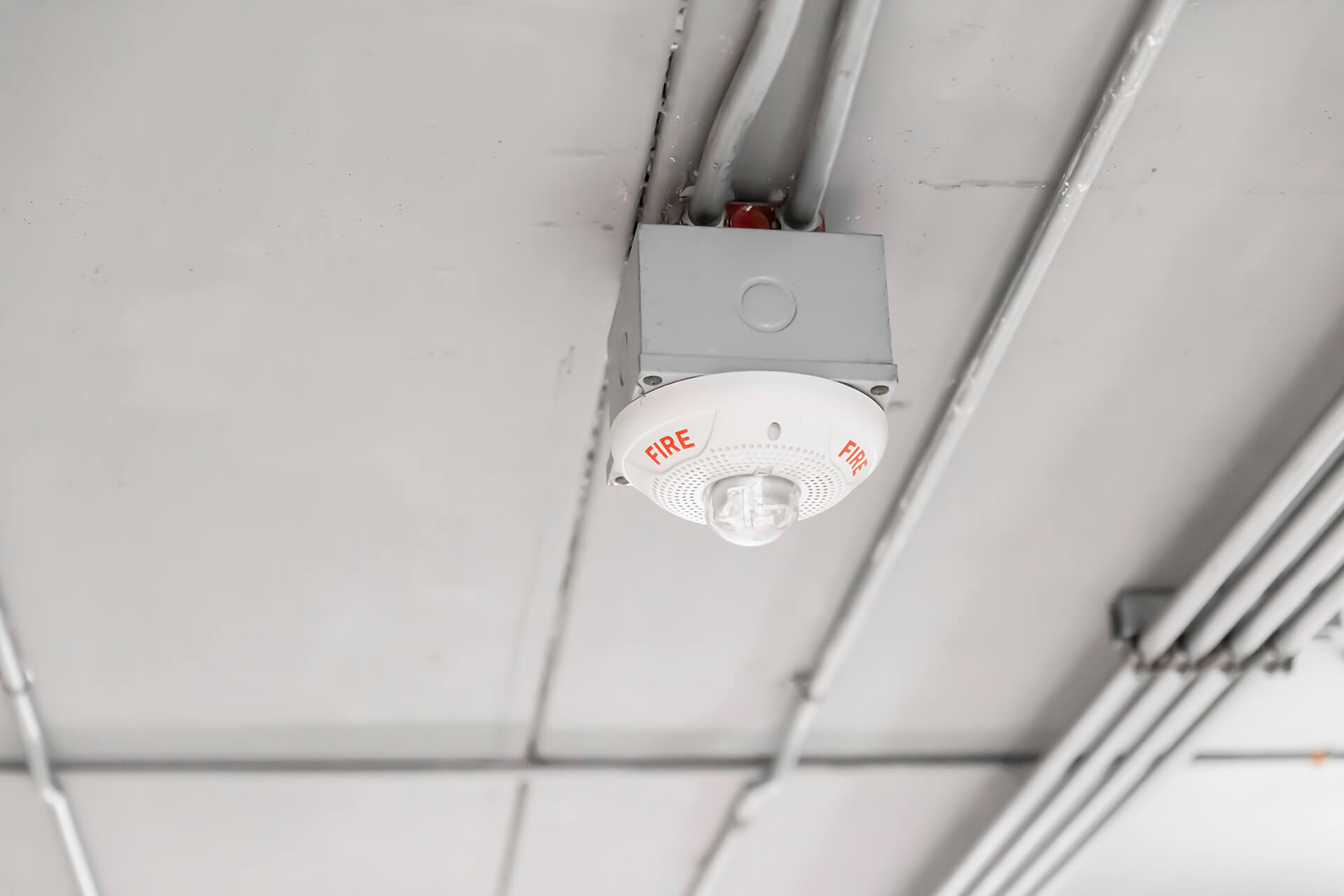
If a smoke detector went off in your building at 2 a.m. on a Sunday, who would know? For a lot of property managers, the honest answer is “I think the monitoring company would.” Most of the time, that’s true. But monitoring only works when every piece behind it is still connected, and some of those pieces can stop working without anyone noticing.
Whether you manage a resort condo, an apartment community, a restaurant, or a commercial building, commercial fire alarm monitoring is what turns a local alarm into an actual call for help. For properties across the Florida Panhandle and coastal Alabama, it also has to hold up through hurricane season and the long, quiet stretches when buildings sit empty. This guide walks you through how monitoring works, what the different signals mean, and the simple checks that help make sure your system is really calling someone when it counts.
How Commercial Fire Alarm Monitoring Works
Your fire alarm’s horns and strobes warn the people inside the building. Monitoring tells someone outside the building. Here’s what happens behind the scenes:
- Something triggers the system. A smoke detector, heat detector, pull station, or sprinkler waterflow switch activates. Your fire alarm panel identifies the type of signal and, on many systems, exactly where it came from.
- A communicator sends the signal off-site. Depending on your equipment, that signal may travel by cellular, internet, radio, or a phone line. The connection should be supervised, which means that if it fails, your panel shows a trouble condition instead of leaving you in the dark.
- The monitoring center follows your response plan. For a fire alarm, that typically means notifying emergency dispatch and your designated contacts. Other signals follow different instructions.
- Your team takes it from there. Monitoring doesn’t replace evacuating, calling 911, or getting the system serviced afterward. It’s one link in the chain, not the whole chain.
Alarm, Supervisory, and Trouble Signals: What Each One Means for You
Not every call from your monitoring center means there’s a fire. Knowing the difference helps you respond calmly instead of guessing.
Alarm Signal
An alarm signal means a possible fire, like smoke or heat detection, a pulled station, or water flowing through your sprinkler system. Follow your emergency plan and evacuate when directed. If you see smoke or fire, call 911 from a safe place. Don’t assume someone else already did. And don’t reset the panel until the fire department or a qualified technician says it’s okay.
Supervisory Signal
A supervisory signal means something that supports your fire protection is out of its normal position. A common example is a sprinkler control valve that isn’t fully open. It’s not a fire, but it may mean your sprinkler system isn’t ready to do its job. Let your designated contact know and get it checked promptly.
Trouble Signal
A trouble signal points to a problem with the system itself, such as lost power, a low battery, a failed device, or a communication issue. Write down what the panel says and call your fire alarm service provider. Try not to silence it over and over. A trouble signal that keeps coming back is your system asking for help, and our fire protection service and repair team can track down the cause.
Old Phone Lines Could Be Quietly Disconnecting Your Alarm
Many older fire alarm communicators were built to send signals over traditional copper phone lines. Phone companies have been replacing and retiring those networks for years. When a line gets converted or removed, older alarm equipment may stop transmitting correctly, even if the phone still has a dial tone.
This often happens during a routine phone or internet upgrade that has nothing to do with the fire alarm. If no one tests the connection afterward, or a trouble signal gets brushed off, the building can go months without a working path to the monitoring center.
Before you change or cancel any line connected to your fire alarm:
- Find out which lines and connections your panel uses
- Have a qualified fire alarm contractor confirm the new service is compatible
- Check whether your local fire authority needs to approve the change
- Test that signals reach the monitoring center after the switch
- Update your system records and emergency contacts
Cellular or internet communication can be a great fit for many buildings. It just needs to match your equipment and your property. And any time you get a carrier notice, upgrade your internet, change ownership, or renovate, treat it as a reason to double-check your monitoring connection, not just another item on the to-do list.
Getting Your Monitoring Ready for Hurricane Season
If you manage property on the Gulf Coast, you already know storms don’t wait for convenient timing. No communication method is completely storm-proof. Cell towers can be damaged or overloaded. Internet-based monitoring depends on your modem, router, and power. Backup batteries only last so long.
Before storm season, make sure you:
- Confirm panel and communicator batteries are within their service life and pass testing
- Know which equipment, like a modem or router, has to stay powered for monitoring to work
- Check cellular signal strength and antenna condition
- Give the monitoring center current primary and backup contacts
- Schedule service after a storm if your panel shows trouble, water exposure, or physical damage
Who Gets the Call When No One Is in the Building?
Monitoring matters most when the building is empty, like a resort condo in the off-season, a restaurant after close, or an office on a holiday weekend. That’s also when an outdated call list causes the most trouble. If the monitoring center is still calling a manager who left two years ago, valuable time is lost.
- Resort condos and multi-family properties: Know who takes the call when the management office is closed.
- Restaurants: Coordinate your fire alarm plan with your kitchen suppression system procedures.
- Commercial and multi-tenant buildings: Spell out who is responsible across maintenance, security, property management, and tenants.
Any time your staff changes, update your call list.
A Quick Monitoring Checkup for Property Managers
You don’t need to be a fire alarm expert to keep your monitoring in good shape. Run through this list during service visits, renovations, or any phone or internet change:
- Know which communicator and connection your system uses
- Know what happens after an alarm, supervisory, or trouble signal
- Keep your after-hours contact list current
- Confirm signals reach the monitoring center during testing
- Fix repeated trouble signals instead of silencing them
- Check whether renovations or service changes affect monitoring
- Keep inspection and service records easy to find
Many of these items are verified during routine fire alarm inspection and testing. For a broader look, see our Commercial Fire Safety Inspection Checklist.
What NFPA 72 Means for Your Property
NFPA 72 is the national code for fire alarm and signaling systems, including how monitoring has to perform. It doesn’t, on its own, require every commercial building to be monitored. Your adopted building and fire codes, your occupancy type, and your local fire authority decide that. Because editions and local amendments vary, a qualified fire alarm contractor can confirm what applies to your building.
Who Shows Up When Your Monitoring Finds a Problem
Monitoring tells you something is wrong. Someone still has to fix it. When you compare fire alarm monitoring companies, ask who handles inspections, testing, maintenance, and emergency repairs when the system needs attention.
Family-owned since 1974, B&C Fire Safety installs, inspects, services, and repairs commercial fire alarm systems across Northwest Florida and coastal Alabama, with 24/7 emergency service. You get one local team that knows your system. If you want to check your monitoring connection, plan a communication upgrade, or sort out a stubborn trouble signal, call us at 850-862-7812 or contact B&C Fire Safety.
Frequently Asked Questions
Does fire alarm monitoring automatically call the fire department?
For a fire alarm signal, the monitoring center typically notifies emergency dispatch and your designated contacts according to your response plan. Supervisory and trouble signals usually go to your contacts so the issue can be corrected.
What’s the difference between a trouble signal and a supervisory signal?
A trouble signal means something is wrong with the fire alarm system itself, like a power or communication problem. A supervisory signal means equipment that supports fire protection, like a sprinkler valve, is out of its normal position.
What should I do if my fire alarm panel keeps showing a trouble signal?
Write down the message on the panel and contact your fire alarm service provider. Repeatedly silencing or resetting the panel without fixing the cause can leave your building unprotected.