March 2, 2025
Understanding What’s Inside a Fire Extinguisher
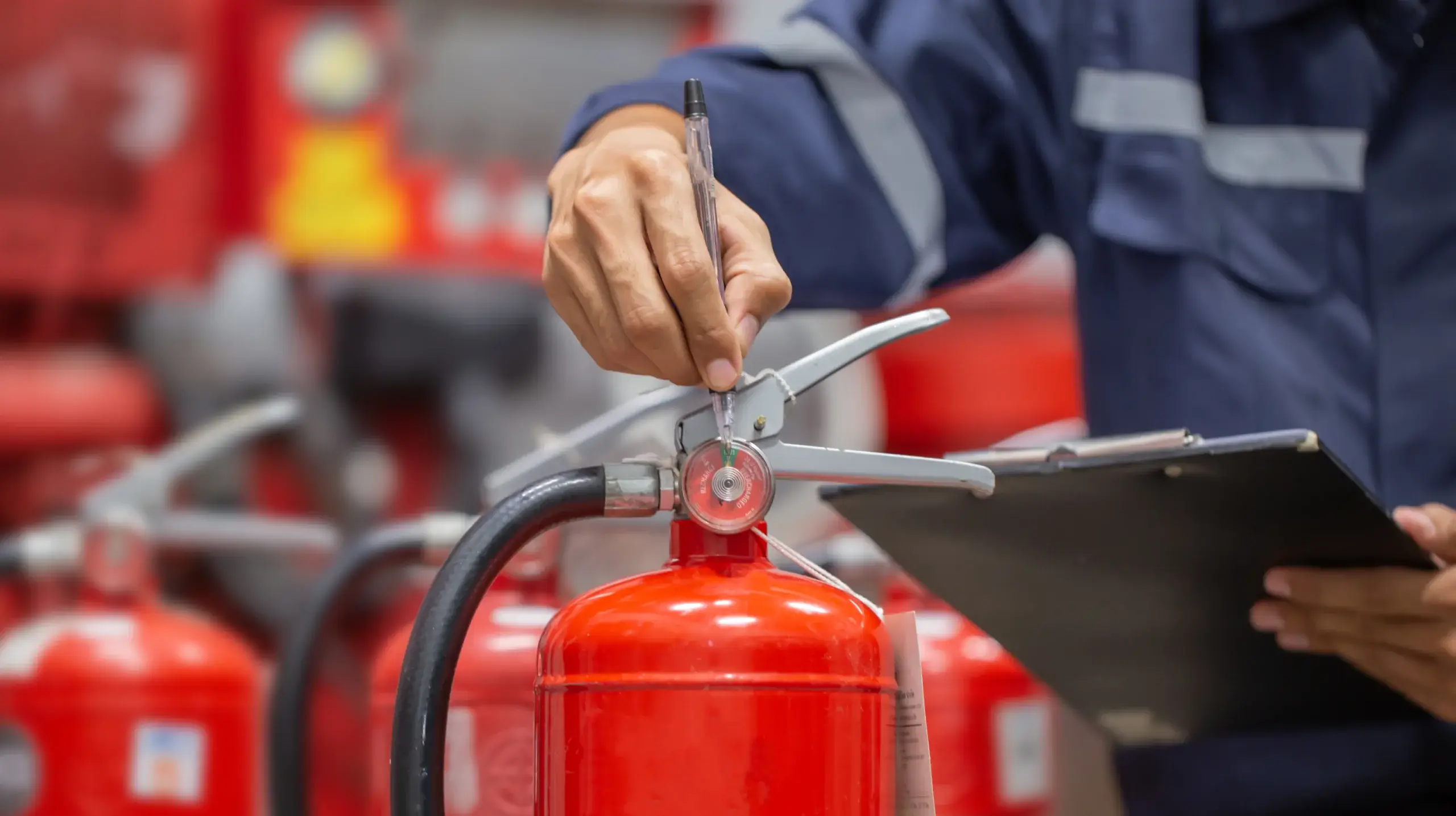
Fire extinguishers may look the same from the outside, but the ingredients inside vary depending on the type of fire they’re meant to control. Some use dry chemical powder to smother flames, others rely on carbon dioxide gas to push away oxygen, while kitchen models contain a wet chemical that cools and coats burning oils. Knowing these differences helps you select the right extinguisher for your environment and stay safe if you ever need to use one.
Dry Chemical Fire Extinguishers
A dry chemical fire extinguisher is one of the most common types, filled with powders such as monoammonium phosphate or sodium bicarbonate. When discharged, this powder coats the fire, smothering flames and interrupting the chemical reaction that keeps it burning. These extinguishers are effective for Class A, B, and C fires, though they can leave behind a noticeable yellow residue that may irritate skin, eyes, or lungs if inhaled. To better understand which classes of fires these extinguishers cover, visit our guide on fire extinguisher classes explained.
Dry Powder Fire Extinguishers
Designed for Class D metal fires, dry powder fire extinguishers contain specialized powders that separate oxygen from burning metals like magnesium, titanium, or sodium. These extinguishers are highly effective for industrial applications but must be matched carefully to the specific type of metal involved. Using the wrong powder can actually make the fire worse, so they are typically reserved for specialized environments.
Carbon Dioxide (CO₂) Fire Extinguishers
CO₂ extinguishers are filled with pressurized carbon dioxide gas. When released, the gas displaces oxygen around the fire and cools the flames. Because they leave no residue, they are a safe choice for use around electronics or sensitive equipment. However, the discharge can cause frostbite on exposed skin, and confined spaces should be ventilated after use to avoid breathing in too much carbon dioxide.
Wet Chemical Fire Extinguishers
A wet chemical fire extinguisher contains a potassium acetate or potassium citrate solution. When discharged, the liquid cools the flames and creates a soapy layer through a process called saponification, which prevents re-ignition of cooking oils or fats. These extinguishers are most often used in kitchens and commercial food settings. While generally non-toxic when properly applied, direct skin or eye contact should be avoided. Symbols on extinguisher labels help identify Class K kitchen units. See our guide on what the symbols on a fire extinguisher indicate for a full explanation.
Clean Agent Fire Extinguishers
Clean agent extinguishers contain Halotron or similar compounds that quickly evaporate, leaving no residue behind. These are ideal for areas with sensitive electronics, such as data centers or offices, because they suppress flames without causing damage to equipment. Older Halon extinguishers were once common, but more eco-friendly clean agents have largely replaced them. While Halon units can still occasionally be found, modern alternatives are safer for both people and the environment.

Safety Considerations with Fire Extinguisher Chemicals
Even though fire extinguishers are safe to use, the chemicals inside can still cause irritation. Here are the key things to know:
Breathing in the powder
Mild irritation is the most common effect. Ventilate the area right away and seek medical care if symptoms continue.
Skin or eye contact
Wash skin with soap and water. For eyes, flush with clean water for at least 15 minutes.
Around pets
Extinguisher powder isn’t usually deadly, but it can irritate dogs and other animals. Clean residue promptly and keep pets out until the area is safe.
After discharge
Always contact fire protection professionals for cleanup and to inspect or recharge your extinguisher.
What Should You Do After Extinguishing a Fire?
Ventilate the area
Open windows and doors to clear smoke and any chemical residue from the air. This helps protect both people and pets from lingering irritants.
Clean chemical residues
Wipe up dry chemical powder with a damp cloth or vacuum using a HEPA filter. Wet chemical residue should be carefully washed away with soap and water. Prompt cleanup prevents damage to surfaces and equipment.
Replace or recharge the extinguisher
After any use, even partial, fire extinguishers need to be professionally recharged or replaced to ensure they are ready for the next emergency.
Choosing the Right Fire Extinguisher
Every fire extinguisher contains different ingredients, such as powders, gases, or liquids that are designed to handle specific fire risks. Understanding what is inside helps you choose the right type for your environment, protect people and property, and respond safely in an emergency.
For expert guidance, sales, or inspections, contact B&C Fire Safety. Our team can help you select the best extinguisher for your needs and ensure it is always ready to use.